
How Solar Installations Are Priced
Two houses on the same street can need quite different systems. One may have an unshaded south-facing roof and someone at home all day; the other may have a dormer, a chimney casting shade and nobody in until evening. A single advertised price cannot reflect both, so your price is calculated once the roof, the electrical supply and your electricity use are known.
You send some basic details, we survey the roof and electrics to confirm what they can take, and you then receive a written quotation with each element listed separately. If something affects the price, such as a consumer unit that needs replacing, it is explained before you commit rather than discovered on installation day.
What Do Solar Panels Cost in the UK?
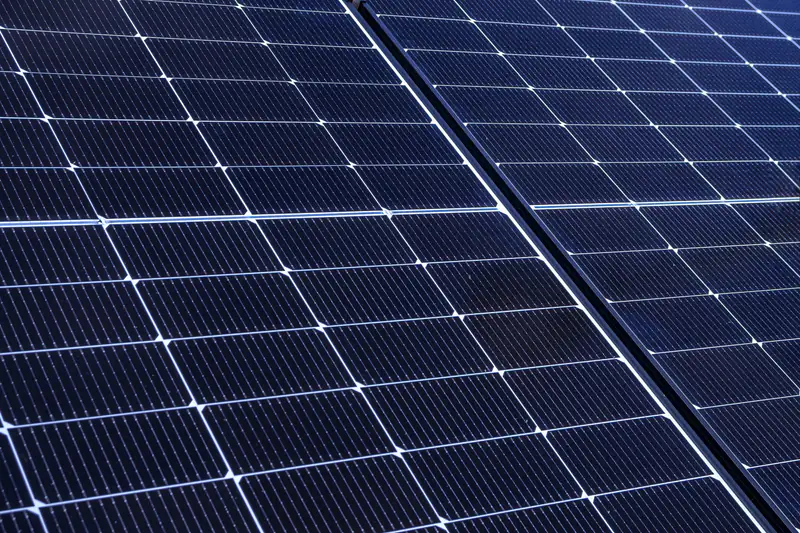
As a national reference point, the Energy Saving Trust estimates that a typical 4.5 kWp home system costs about £7,600 (figure quoted in September 2026). The average UK domestic system is around 3.5 to 4.6 kWp. With current residential panels of roughly 430 to 460 W, that usually means nine or ten panels, each taking about 2 m² of roof.
Treat that figure as a guide rather than a quote. Your price may be higher or lower depending on the factors below, and a battery adds a further cost that depends mainly on its capacity.
Solar panels and battery storage installed in homes are zero-rated for VAT until 31 March 2027, then 5% unless the relief is extended. Batteries qualify whether they are fitted with new panels or retrofitted to an existing system. Business premises are treated differently, so a commercial quotation shows the VAT rate that applies.
What Affects the Cost of Your Installation?
System Size and Equipment
More panels cost more, but the price per kilowatt usually falls as a system grows, because scaffolding and labour are spread across more output. Panel efficiency, the type of inverter and whether a partly shaded roof needs optimisers all change the equipment total.
Roof, Access and Scaffolding
A two-storey pitched roof with clear access is the simplest case. Three-storey terraces, rear access along narrow lanes, a conservatory below the work area or a layout split across several roof slopes all add time and scaffolding. Flat roofs need a mounting system designed for wind loading, and exposed coastal properties may call for corrosion-resistant fixings.
Electrical Work
The inverter needs a suitable position and a cable route back to the consumer unit. Older consumer units sometimes need upgrading to take a new circuit, and long cable runs to a garage or outbuilding add materials and labour.
Battery Storage
Battery cost rises with usable capacity. It also depends on whether a hybrid inverter is fitted at the same time or a retrofit needs a separate battery inverter. Siting plays a part too, since current fire-safety guidance favours an outdoor or outbuilding location over a loft.
Grid Connection and Permissions
Systems up to around 3.68 kW on a single-phase supply (16 A per phase), counted across all generation and storage at the property, are normally connected first and notified to Northern Powergrid afterwards. Above that threshold, an application must be approved before connection, which mainly affects timing. Listed buildings need listed building consent and conservation areas carry extra conditions, which can add a planning step before work starts.
What Your Quotation Includes
Every quotation from North East Solar Installer is written so you can check it line by line and compare it fairly with other prices. It sets out:
- System size in kWp and the proposed panel layout
- Make and model of the panels, inverter and any battery, with the manufacturers' warranty terms
- Estimated annual generation and the assumptions behind it, including orientation, pitch and shading
- Mounting, scaffolding and access arrangements
- Electrical work, including any consumer unit changes
- The Northern Powergrid notification or application
- Commissioning, testing and the handover documents you will receive
- Anything excluded, such as roof repairs, and the VAT rate applied
When comparing quotes for any of our solar services, check that each one covers the same items. A lower figure that leaves out scaffolding or electrical work is not cheaper once those costs are added back.
How Are Commercial Solar Costs Worked Out?
For business premises, the proposal is built from consumption data, ideally half-hourly readings, so the system matches the electricity the site uses during the day. Costs also reflect any structural assessment of the roof, larger inverters, three-phase connection work and the grid application process. Commercial installations fall outside the domestic 0% VAT relief. More detail is on the commercial solar panels page.
Get a Price Based on Your Property
Send your postcode, property type and a recent electricity bill, and say whether you would like a battery. A survey and an itemised quotation follow.
How Much Could Solar Panels Save You?
Savings depend on how much the system generates, how much of that electricity you use yourself and the price you pay for imported power. A household at home during the day will usually use more of its own generation than one that is out until evening, and a battery or a time-of-use tariff changes the picture again.
For context, the Energy Saving Trust estimates that a 4.5 kWp system can take between £190 and £330 a year off bills at price-cap rates before any export income, with payback for a typical home of at least 10 years (figures quoted in September 2026). Those are national estimates, and nobody can promise the same result for your property. Generation is seasonal as well, with roughly 70% of a year's output arriving between March and August, so winter bills fall by less than summer ones.
We set out the assumptions behind any generation or savings estimate in your quotation, so you can see what each figure depends on.
Export Payments and the Smart Export Guarantee
Electricity you do not use can earn money through the Smart Export Guarantee. Larger suppliers must offer an export tariff, rates vary widely between them, and you do not have to export through the supplier you buy electricity from, although some of the better rates depend on it. To qualify, the installation must be certified under MCS or an equivalent scheme, and you need a smart meter that can record exports. If export income is part of your calculation, mention it when you enquire so the certification route for your system is clear before you commit.
Request a Solar Panel Quotation
For a price based on your own property, contact North East Solar Installer with your postcode, property type, approximate annual electricity use and any interest in battery storage. You can read more about domestic solar panel installation and solar battery storage first, or check the areas we serve.